
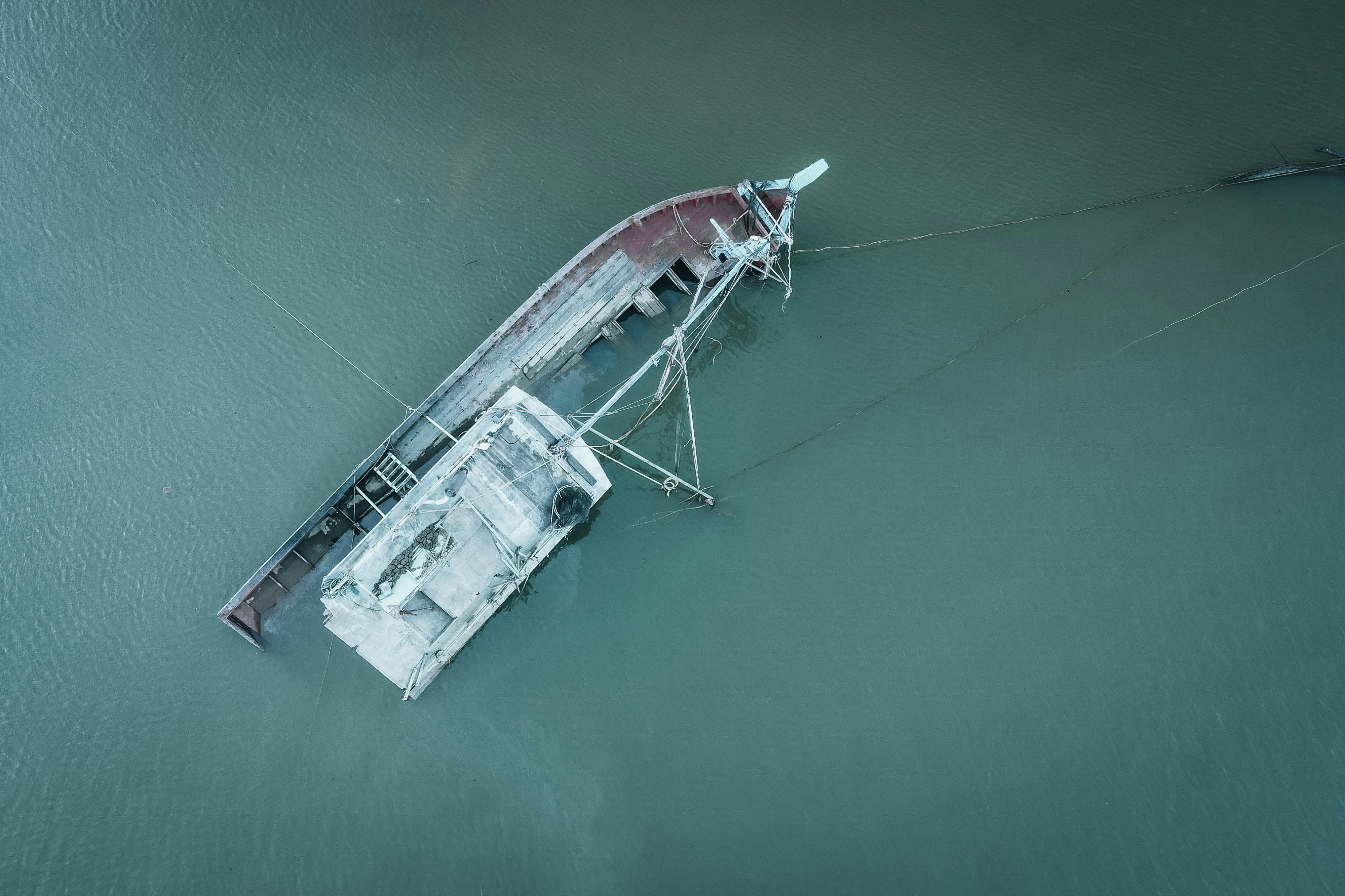

Beneath every marine project — whether it’s port construction, dredging, or offshore exploration — lies a question: What’s below the surface?
Bathymetric surveys answer that question with precision.
In today’s coastal development and marine engineering industries, bathymetric data isn’t optional — it’s essential. It informs designs, reduces risk, and improves operational efficiency. At OSEANA Prawira Persada, bathymetric surveys are one of our core services, and in this article, we’re breaking down how they work, when they’re needed, and what you can expect as a client.
What Is a Bathymetric Survey?
A bathymetric survey is the underwater equivalent of a topographic survey. It maps the depth and shape of the seafloor or riverbed using sonar technology. This data helps engineers, contractors, and authorities understand underwater terrain in detail — often before making high-stakes decisions about construction, navigation, or environmental management.
Key tools involved:
1. Singlebeam Echo Sounder (SBES) – Used for simpler, narrow-area depth measurements
2. Multibeam Echo Sounder (MBES) – Captures wide swaths of seafloor in high resolution
3. GNSS Receiver – Provides accurate position referencing for sonar data
4. Tide Correction System (e.g., Valeport TideMaster) – Adjusts depth data relative to sea level
Where Bathymetric Surveys Are Essential
Bathymetric surveys play a critical role in projects where understanding underwater profiles is non-negotiable. Common use cases include:
What Clients Receive from a Bathymetric Survey
When you engage OSEANA for a bathymetric survey, here’s what we typically deliver:
A Real-World Example: Post-Dredging Survey for Industrial Jetty
In a recent project on the eastern coast of Sumatra, a client requested a post-dredging bathymetric survey to confirm whether the seafloor had been lowered to the design depth for a new industrial jetty.
Using a multibeam echo sounder system integrated with GNSS and tide correction, our team collected high-resolution data across the 3km site. Within 48 hours, we delivered a detailed bathymetric report that revealed one small area still above tolerance — allowing the contractor to act immediately, avoid penalties, and finalize the handover with confidence.
Why Bathymetric Surveys Shouldn’t Be an Afterthought?
1. Design without guesswork – Engineers get the data they need to design with confidence.
2. Avoid costly rework – Detect underwater hazards or elevation errors early.
3. Protect environmental zones – Identify sensitive habitats before construction starts.
4. Support compliance – Meet regulatory requirements and document your work thoroughly.
How OSEANA Delivers Bathymetric Surveys?
We provide turnkey services using the latest equipment from trusted names like Norbit, Teledyne, and Valeport. Our team handles everything from pre-survey planning to post-survey analysis — minimizing project friction and maximizing data quality.
You’ll benefit from:
1. Certified operators and surveyors
2. Flexible deployment (shallow rivers to deep marine)
3. Fast turnaround on processing and reporting
4. Rental and service options for your in-house team
Conclusion
Whether you're building a port, verifying dredging work, or studying coastal erosion, a professional bathymetric survey is a smart investment. It’s not just about mapping — it's about unlocking knowledge beneath the surface that can save time, money, and risk. Need to map what’s underwater with accuracy and confidence? Contact OSEANA today to discuss your survey needs or request a proposal for your next marine or river-based project.